Very few people in this business have done a full cycle in build-to-rent. Ryan and Steven will walk through what institutional buyers actually require in a community, how that requirement list shapes every decision from product type to density to debt, and how passive investors underwrite a development deal so the finished product has a real buyer waiting on the other side.
%20(5).jpg)
Build-to-rent is the hottest product in residential real estate and the biggest pools of capital in the country are chasing it. But they are chasing finished, stabilized, institutional-grade communities. They do not want to entitle land, pour slabs, or lease up 200 homes. That work is where the money is made, and passive investors can own it by funding the construction rather than buying the finished product at the institutional price. To do that well you have to know what the eventual buyer requires, because their spec sheet is your exit.
The funds, builders and DSTs that have raised billions for build-to-rent, and why every one of them wants finished product rather than a construction project
What makes a community sellable at scale. Single contiguous site, enough units to matter, consistent product, amenities that support the rent, and one owner who can deliver the whole thing in one transaction
Cottages, single-level rowhomes, townhomes and detached homes carry different rents, different densities and different buyer pools. Choosing wrong at the land stage caps your price four years later
Building at a cost basis below what finished, stabilized product trades for, and what closes that gap or blows it open
Why a buyer pays more for a community with in-house property management and a real operating history, and what a third-party manager costs you at sale
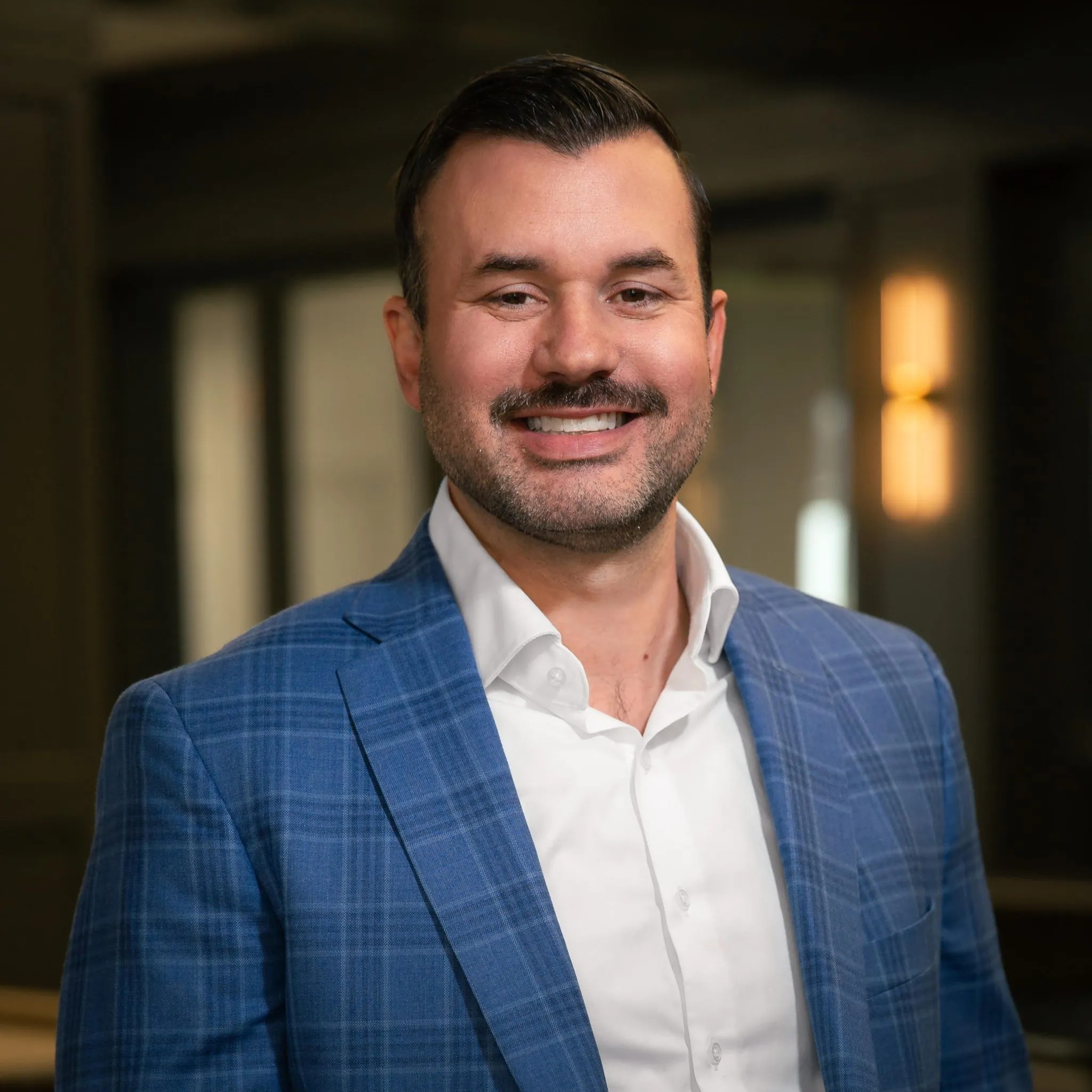
Ryan Watts and Steven Watts are the co-founders of Red River Development and its resident-facing property management brand, Trulo Homes.Over the past four years they have developed $690,387,061 across seven build-to-rent communities in Oklahoma, Missouri, Arkansas, Indiana, Ohio and Texas, with 2,233 homes under management through Trulo Homes. Their first community, in Jenks, Oklahoma, was built for $30.3 million and sold to a Griffin Capital DST for $37.25 million, returning roughly 1.7x.