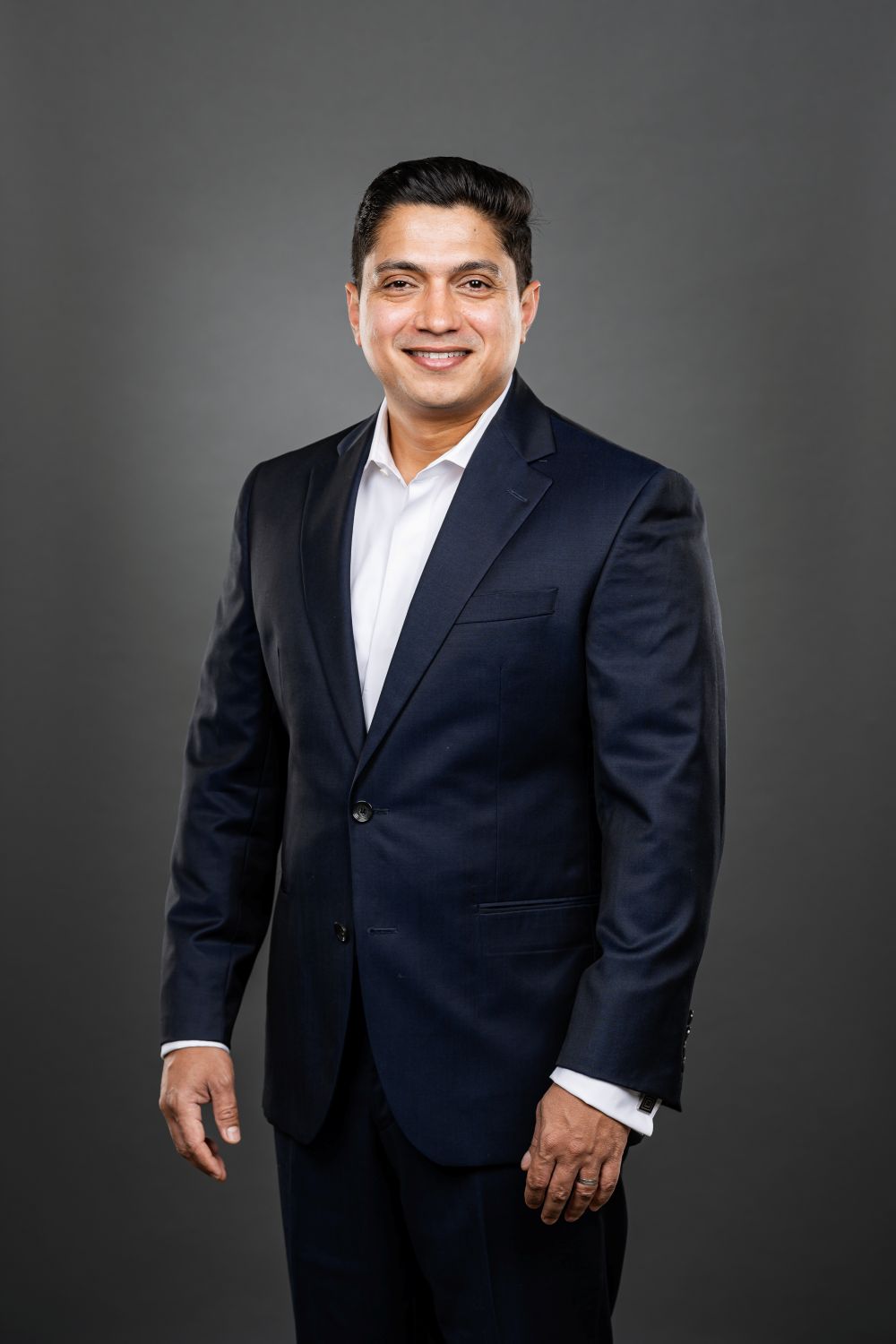
Join Sid Shamim as he explores two sectors where he's seeing potential: multifamily and medical real estate. He'll discuss what's changing in each sector, what makes certain properties attractive at today's valuations, and how to evaluate opportunities without getting caught in a value trap.
You'll also hear how Sid approaches acquisitions and what needs to be true before he's willing to put capital to work.

Explore where buying opportunities are emerging in multifamily and medical real estate, how to spot attractive deals, and what separates a motivated seller from an asset that's cheap for a reason.
Learn how to spot attractive buying opportunities without falling into a value trap.
What's changing in multifamily and medical real estate, and why those shifts matter for investors.
The purchase basis, debt terms, cash flow assumptions, and downside protections that deserve the most scrutiny.
How Sid evaluates acquisitions and decides when an opportunity is worth deploying capital.
Sid Shamim is the Founder and CEO of Headway Capital Investments, a vertically integrated real estate investment firm focused on identifying opportunities where strong fundamentals meet an attractive entry basis.
Headway’s platform has been involved in more than 3,000 multifamily units and $500M+ of commercial real estate, with experience across acquisitions, operations, value-add execution, property management, and full-cycle investments.
Before entering real estate full-time, Sid worked as a technology engineer in the oil and gas industry. His approach combines an engineer’s focus on numbers and downside protection with an operator’s perspective on what actually creates value after an acquisition.