
👋 Hello, Best Ever readers!
In today’s newsletter, small markets steal talent, Trump vs. institutional money, SCOTUS vs. tariffs, Amazon’s next move, and much more.
🧲 Want to attract capital instead of chasing it? Join us alongside Leadr on January 28 at 12 pm ET to learn how strategic platforms like TEDx can build instant authority, shorten trust cycles, and turn public visibility into exclusive deal flow. Register now.
Let’s CRE!
🚫 Institutional Ban: President Trump signed an executive order blocking federal agencies from financing or approving single-family home purchases by large institutional investors. The order includes a carve-out for build-to-rent communities planned and constructed as rental developments.
⚖️ Tariff Limbo: The Supreme Court has delayed its ruling on President Trump's tariff authority until at least February 20. Legal analysts suggest justices may seek middle ground to avoid $130 billion in retroactive refunds while limiting future emergency powers.
📈 Positive Signs: U.S. apartment markets entered 2026 with rental affordability at its healthiest level in six years, according to RealPage. Wage growth has outpaced rent increases for the fourth consecutive year, easing burdens and supporting new household formation.
🏗️ Flight to Quality: Office and retail sectors are primed for growth in 2026 as occupiers prioritize quality space. Prime office absorption remained positive throughout the pandemic, and spillover demand is emerging for next-tier properties as trophy space tightens in major markets.
💾 Data Expansion: Global data center capacity is projected to double by 2030, requiring up to $3 trillion in total investment. Developers are turning to asset-backed securities, and tech giants like Google are backstopping tenant obligations to expand the capital pool beyond traditional lenders.
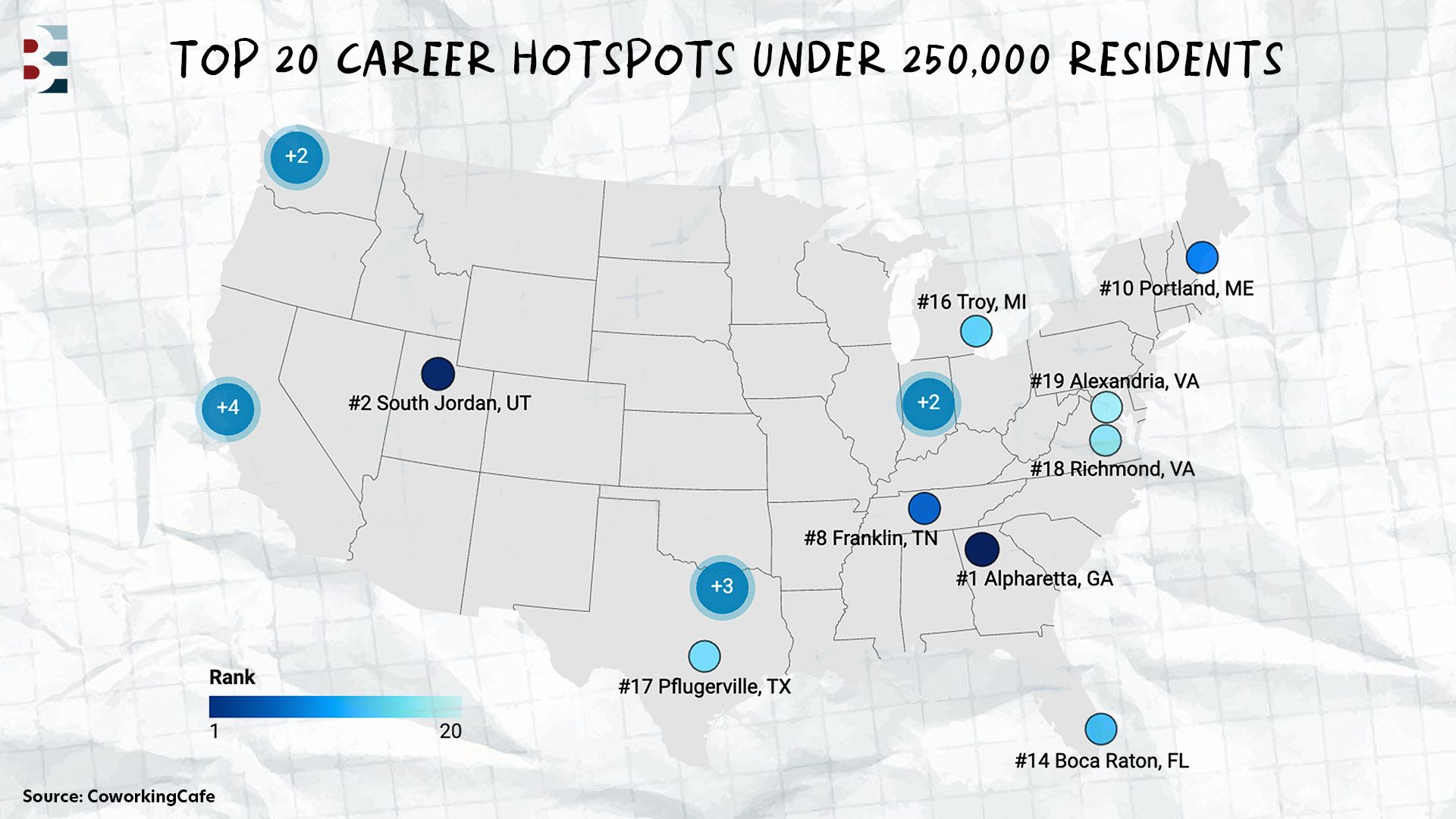
Six-figure salaries and sub-3% unemployment rates are showing up in cities most people couldn't find on a map. A nationwide study of 298 cities with populations under 250,000 reveals that some of the strongest labor markets and highest wage growth aren't in major metros — they're in tight-knit communities where professional opportunity meets manageable costs.
Top performers are delivering double-digit wage growth alongside tight labor markets and dense employer bases. The study evaluated income, affordability, labor market health, remote work trends, healthcare access, and education levels to identify where career trajectory and everyday comfort genuinely align.
The pattern extends beyond the top five. Sun Belt markets like Frisco and Pflugerville, Texas, are accelerating faster than nearly anywhere else, while Midwest anchors including Carmel and Fishers, Indiana, prove that balanced growth — solid wages meeting manageable costs — can rival coastal growth. Portland, Maine, is another standout, recording 40% wage growth since 2019 and posting 75.3% labor force participation, one of the highest rates nationally.
What ties these cities together isn't geography but momentum: engaged workforces, rising incomes, and resilient local economies that don't force residents to choose between career trajectory and livability.
The next wave of career opportunities is building in smaller cities where innovation, affordability, and quality of life converge. For investors and developers, these markets represent more than demographic shifts — they're signaling where capital, talent, and infrastructure will flow next.
👉 You can view the full list of 20 cities here.
Growth, influence, and capital all follow trust.
In real estate, the investors who command the best terms and exclusive deal flow aren't necessarily the ones working the hardest—they're the ones who've built unshakeable authority. They've institutionalized their reputation so capital comes to them, not the other way around.
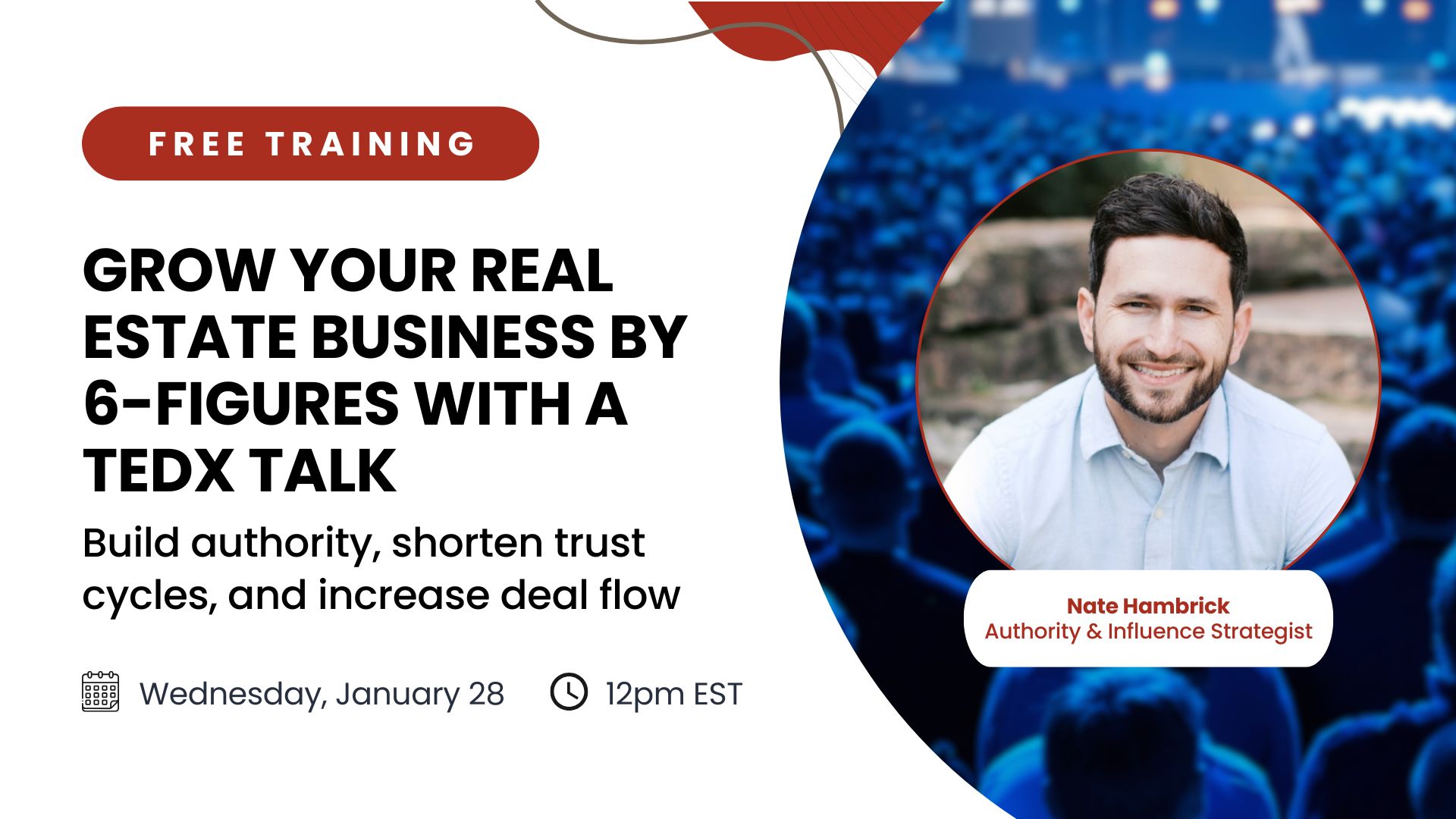
📆 Join us January 28 at 12 pm ET for this free webinar with Nate Hambrick of Leadr to learn how strategic platforms like TEDx can shorten trust cycles, attract pre-sold investors, and turn public visibility into private deal flow.
In this session, you’ll learn how to:
✅ Build Authority Through Strategic Platforms — How to use high-leverage speaking opportunities like TEDx to establish instant credibility and position yourself as a trusted market voice
✅ Shorten the Trust Cycle — Specific techniques for converting public visibility into private deal flow and moving investor conversations from introduction to decision faster
✅ Create Self-Sustaining Deal Flow — How to transition from chasing individual prospects to attracting an ecosystem of pre-sold partners with exclusive, off-market opportunities
✅ Institutionalize Your Reputation — The roadmap for leveraging personal authority to secure better terms, reduce capital acquisition costs, and build a frictionless fundraising environment
Can't make it to the live event? Register anyway, and we'll send you the replay.
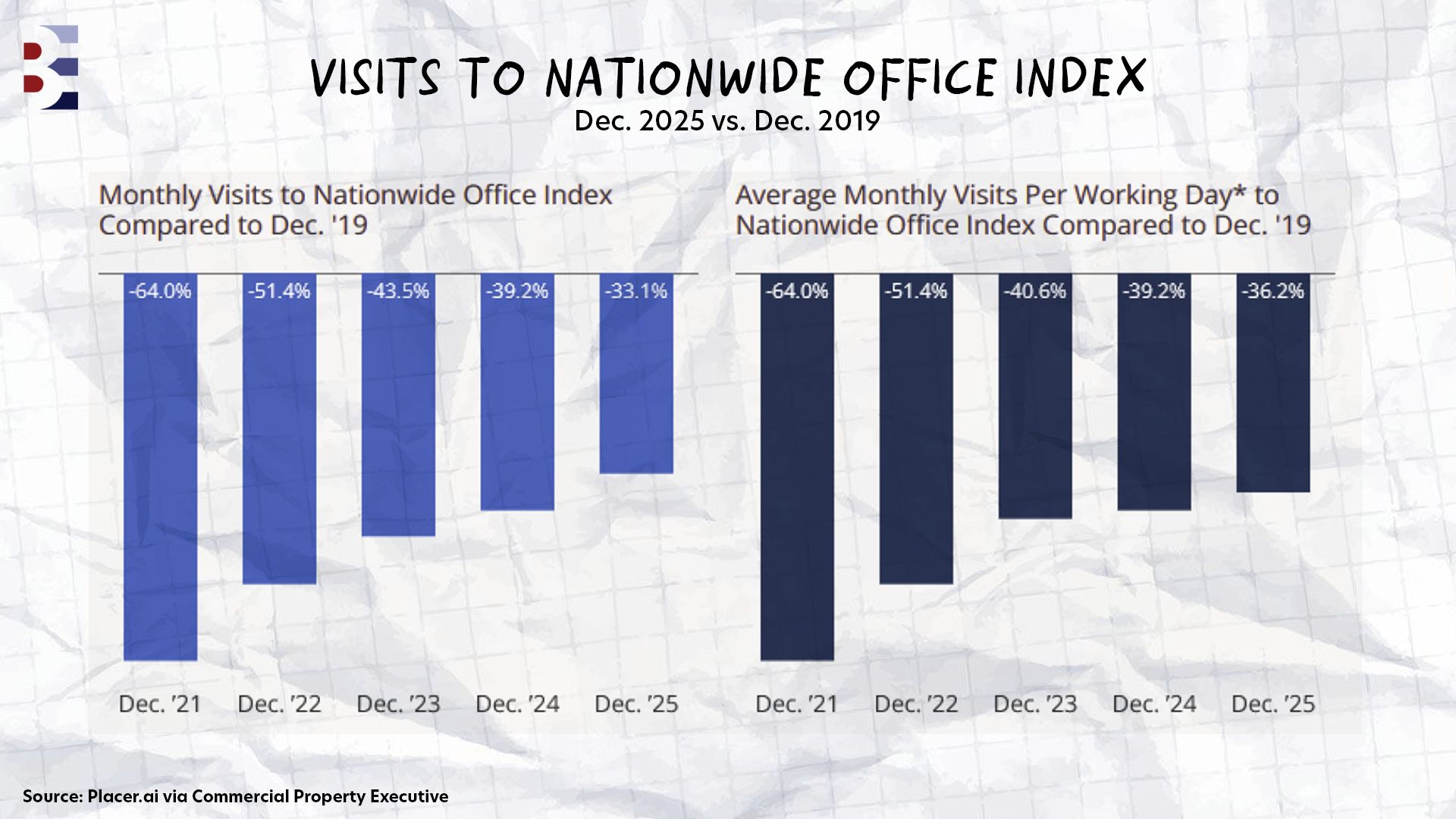
Office foot traffic in December 2025 was 33.1% below pre-pandemic levels, marking the busiest December since COVID began and improving from 39.2% below in December 2024. Miami leads U.S. metros in recovery at just 10.9% below 2019 levels, while Dallas has surpassed New York City.
Amazon is launching its largest-ever retail store in Orland Park, Illinois, spanning 230,000 square feet — big enough to fit nearly two average Target stores. Half the space will sell groceries and general merchandise, while the other half will handle fulfillment of online and in-store orders.
CRE investment volume is projected to rise 16% in 2026 as pricing stabilizes and investor appetite grows, according to CBRE. Cap rates are expected to compress by five to 15 basis points on most assets, with office and retail sectors anticipated to show the strongest volume growth.
Senior housing occupancy hit 89.1% at the end of 2025, the highest in 18 quarters, as demand outpaced supply with fewer than 1,900 new units delivered in Q4. Seven markets surpassed 90% occupancy, led by Boston at 93.1%, as the first baby boomers turn 80 in 2026.
Most capital raises don't collapse. They stall. No hard no. No decisive yes. Just silence, delays, and "Let's reconnect soon."
The real bottleneck isn't your deal—it's certainty.
Investors delay because they can't confidently answer:
✅ Why this operator?
✅ Why trust them with uncertainty?
✅ Why now?
The difference? Operators who raise capital consistently don't eliminate risk. They eliminate confusion. Investors understand how they think, decide, and behave under pressure—long before seeing a deal.
Real credibility isn't claimed through polished decks. It's structured.
When investors have a clear way to evaluate how you approach risk, they don't need persuasion. They arrive at confidence on their own.
👇 Learn how to eliminate confusion and structure credibility that moves investors in this article from Marcin Drozdz of M1 Real Capital.
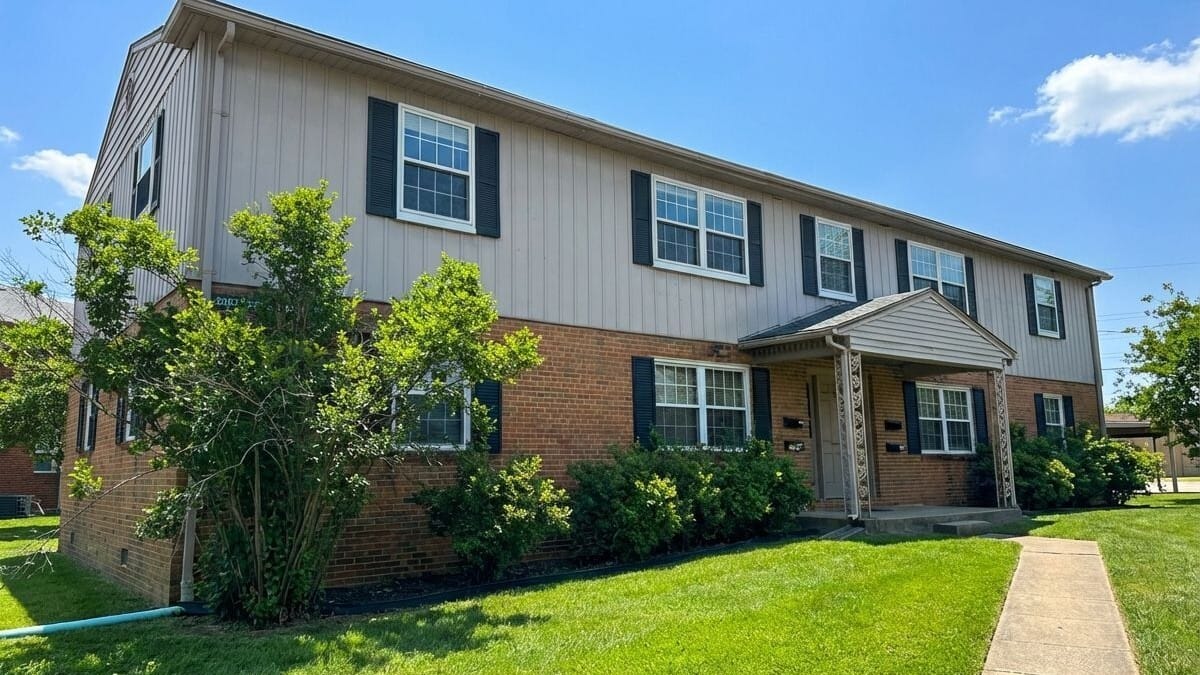
Paul Shannon (InvestWise Collective) and Ross McArthur (Follow the Deal Investments), along with four other active operators, acquired this 56-unit Class C+ multifamily property in Evansville, IN, at under $60,000 per unit — 80% of what it sold for a few years ago — and are projecting a 10%+ annualized return with a potential 3x equity multiple at year five.
Here's how they're doing it 👇
🏢 Property details: This is a 56-unit Class C+ to B multifamily property located in Evansville, IN. The property was acquired in January 2026 for $3.75 million with a $400K closing credit, bringing the net purchase price to $3.35 million — under $60,000 per unit and 80% of what the property previously sold for.
💸 Finances: The team raised $600,000 in capital. They secured financing at 80% LTV with a 6.6% interest rate and 25-year amortization. The $400,000 closing credit at closing was key to making this deal work with a low cost of entry.
💼 Business plan: This is a classic value-add strategy focused on operational improvements through better property management and asset management, combined with unit upgrades including LVP flooring, light fixtures, and paint. The goal is to stabilize the property over the next 2–3 years and refinance, returning 100% of the original capital to investors while maintaining cash flow through an effectively infinite return.
🍾 Results: The projected returns for investors are:
The property is projected to be valued at $5-$5.3 million at stabilization in year three.
💪 Biggest Challenge: "None yet — there are always challenges, but so far, so good," said McArthur. "This was a unique deal where six total hands-on active operators partnered together. Great basis and operational upside on this asset. Each of our groups could have taken this one down without the other. However, opportunities to form strategic partnerships with great operators and people of excellence don't happen often. 1 + 1 = 3 in this case."
👉 If you have a deal you'd like to share with us, please email us here.
🙏 Thanks for reading!
Stay in the loop with us! If you received this newsletter from someone else, subscribe here. You can also find us on LinkedIn, Instagram, and YouTube.
Have a Best Ever day!
— Joe Fairless


.jpg)