
20 Properties That Are Definitely Showing Signs of Distress

Being able to identify distressed properties is one of the most effective ways to find off-market deals and an untapped supply of motivated sellers.
In this post, you will learn the 6 common signs of distress, be provide multiple examples of each, and understand how to identify them when researching your market.
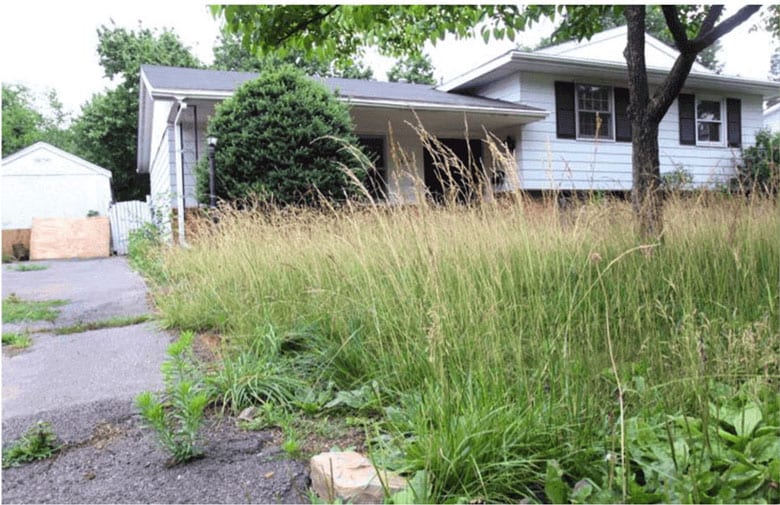
1. Grass
Observing a propertys grass condition is a quick and easy way to identify a distressed property situation. If you come across a property that has tall or dead grass, it may have an absentee homeowner that is motivated to sell.


2. Windows
Finding a property with broken and/or boarded up windows is certainly a sign that the property is vacant. Also, it is likely that a property with broken or boarded up windows will show other signs of distress (grass, vegetation, deferred maintenance, etc.).



3. Overfill of mail or newspapers
The overfill of mail or newspapers are subtle signs of distress. Out of all the signs of distress listed, this is probably the most difficult to spot. It can mean one of two things: the homeowner is on vacation or the property is vacant.


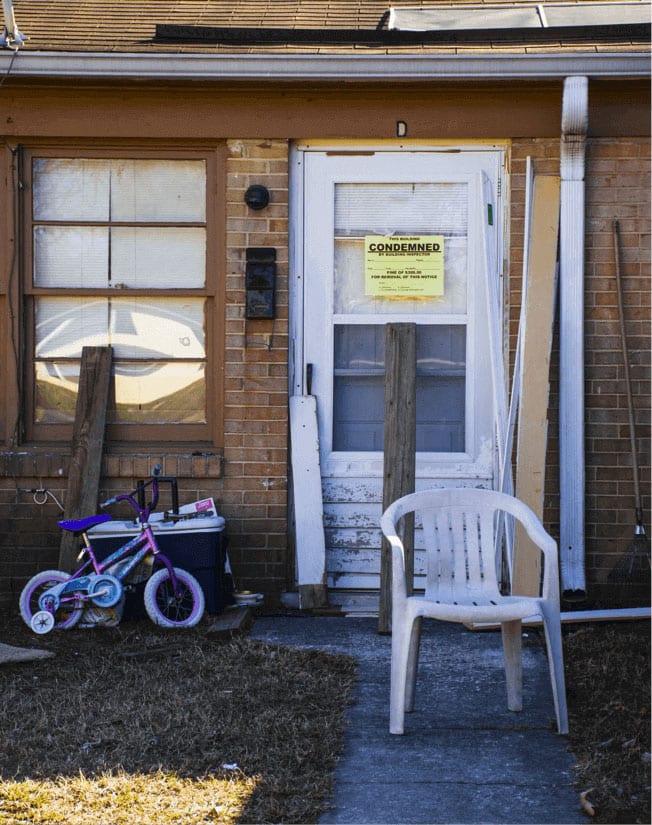
4. Code enforcement signs
There are many types of code enforcement signs and sometimes they can be difficult to spot. The majority of the time, they are posted on the front door or front window.
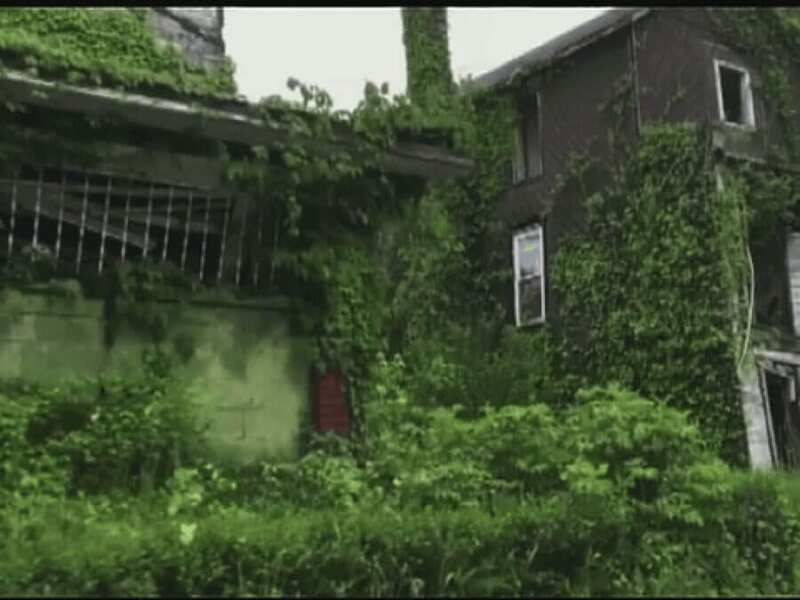
5. Overgrown vegetation
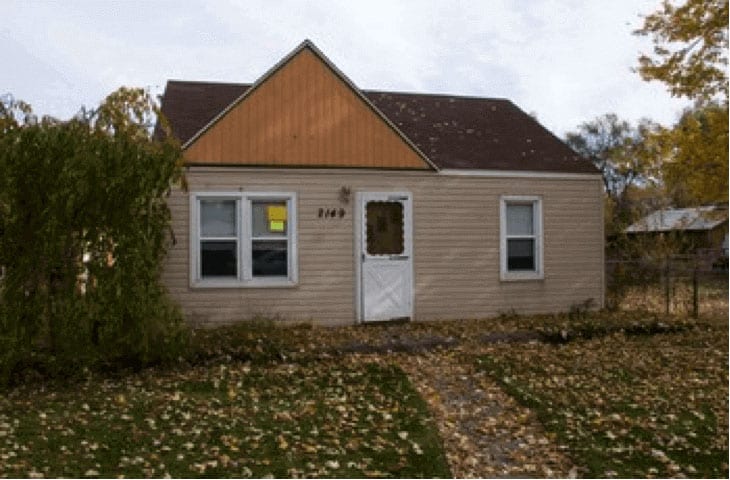
Overgrown vegetation is similar sign as tall or dead grass, but the property has probably been sitting for a much longer. Properties with overgrown vegetation are impossible to miss.


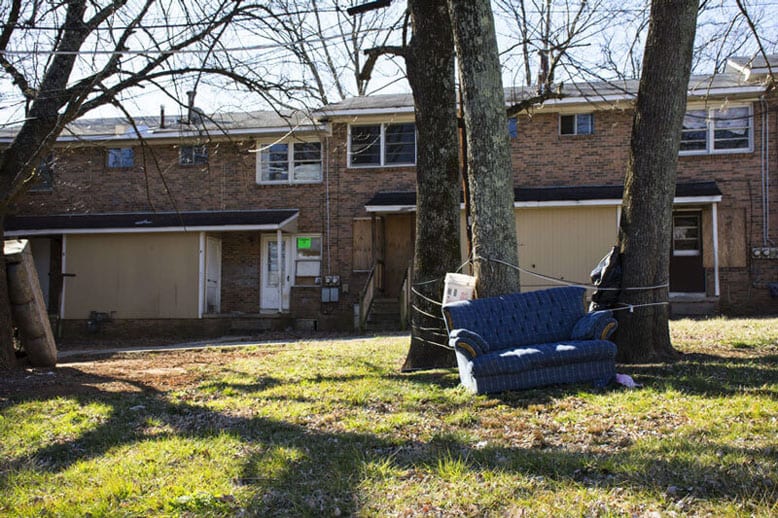
6. Deferred maintenance
The deferred maintenance referred to here is external, since you obviously wont be able to easily see inside the property. But if the outside shows signs of wear, the inside is likely equally as bad or even worse.

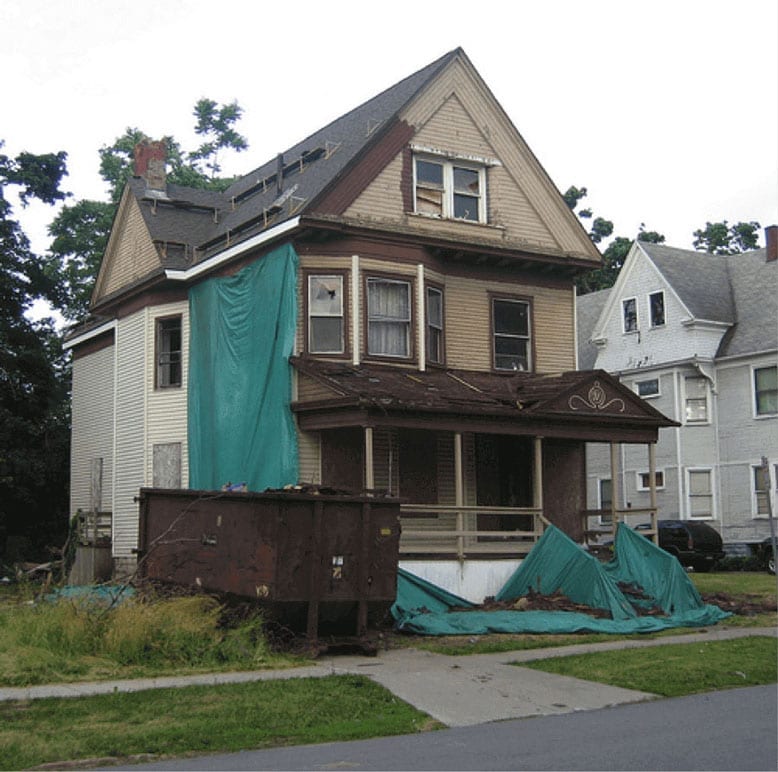

7. Other but obviously distressed
Here are some properties that have been through a lot. These properties should be avoided at all costs, unless you are interested in knock downs.



Image Credit: eHow
Conclusion
The 6 most common signs of distress are: 1) tall or dead grass, 2) boarded up or broken windows, 3) overfill of mail and newspapers, 4) code enforcement signs, 5) overgrown vegetation, and 6) deferred maintenance.
Now that you know what to look for, it s time to put it into practice. Keep an eye out for signs of distress on your way to work, the gym, the grocery store, etc., record some addresses, look up the owner information on the local countys website, and start sending out letters.